Our Solar System consists of 8 planets. Mercury, Venus, Earth, Mars, Jupiter, Saturn, Uranus, and Neptune. Some of the dwarfs planets include Pluto and Ceres. At the center of or Solar System, we have the Sun.

The Sun
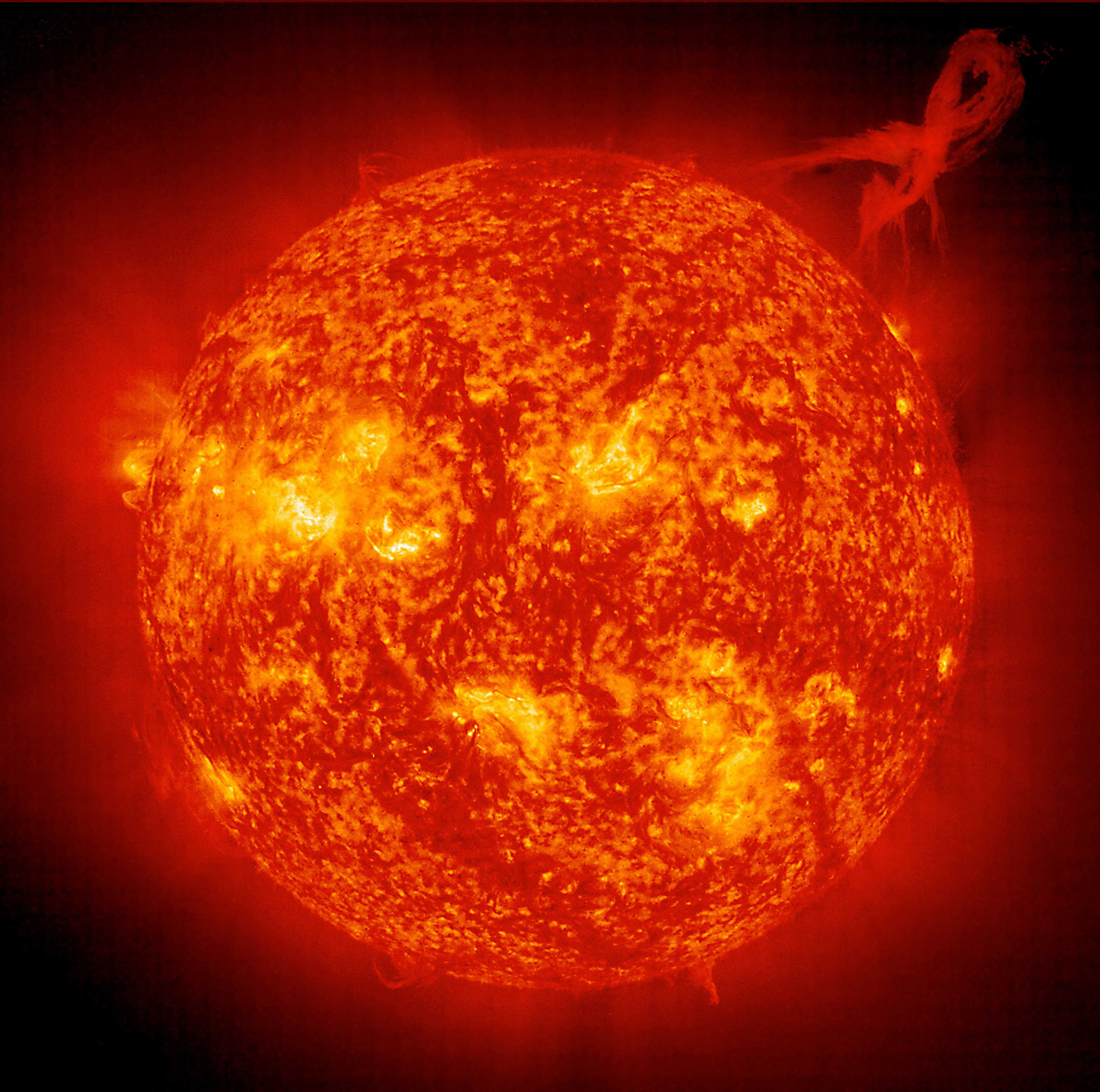
The Sun is the current closest star to us. It has a mass of approximately 1.989 × 10^30 kg and a radius of 432,170 mi. The Sun is mostly consisted of helium and hydrogen which fuse creating heat and light. If you didn’t know, the sun also rotates on its axis just like Earth does. The surface temperature reaches up to 5,778 K.
Mercury
Mercury is the closest planet to the Sun. It is also the first planet in the Solar System. The surface temperatures reach up to 801 F in the day and -279 F in the night. It rotates every 55 days. Its orbital period is 88 days. Mercury is almost as big as our Moon.

Venus
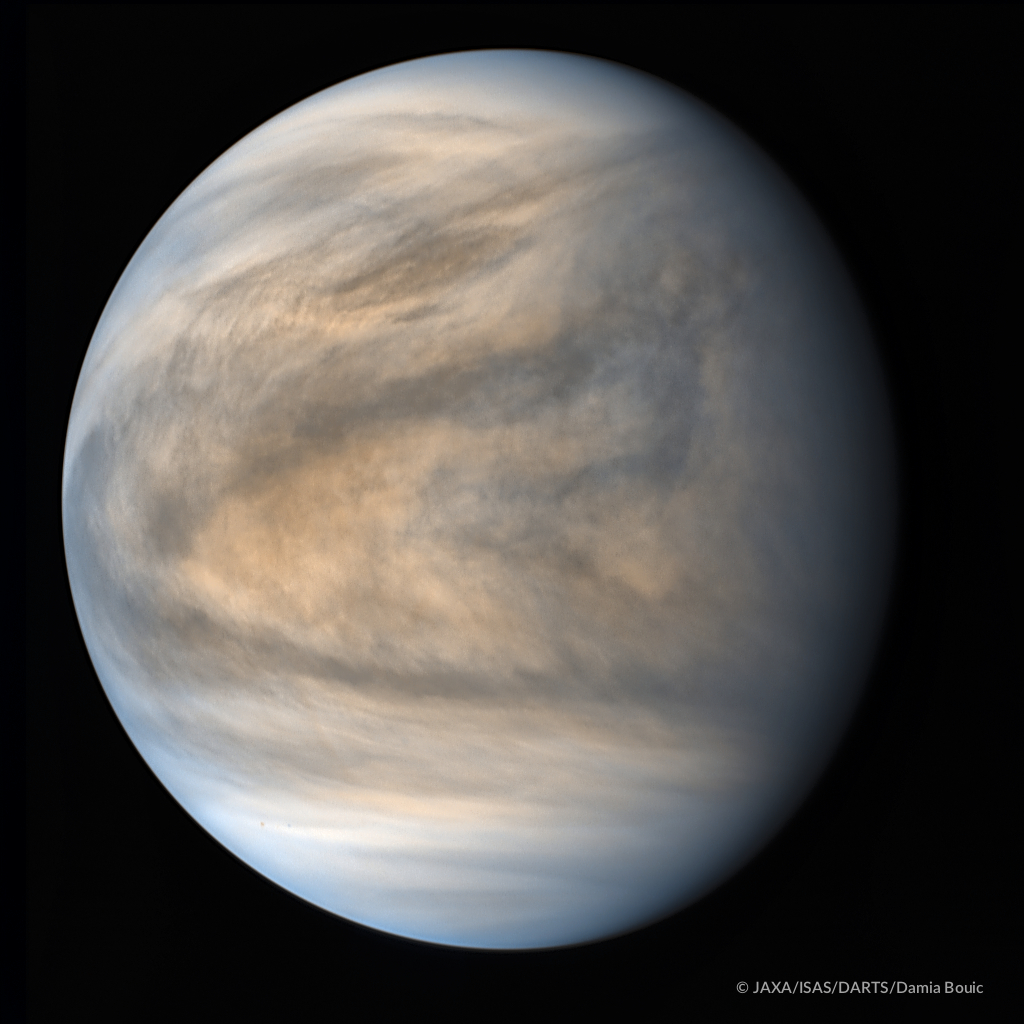
Venus is the second planet from the Sun. Its atmosphere is made up of opaque clouds made of sulfuric acid making life unsustainable there. Scientists say this is the greenhouse effect and something similar like this will happen to Earth if we don’t stop polluting. The orbital period of Venus is 224 days.
Earth
Our home. Earth is the third planet from the sun. It is considered to be the Goldilock’s planet. It is just right for survival. The surface temperature is around 59 F. It rotates every 24 hours causing day and night and different time zones. It takes 365 days to complete the orbital period.

Mars
Mars is the 4th planet form the Sun. It revolves around the sun in 686 days or 668 sols. It is currently the planet closest to us able to support life and we are hoping to inhabit it. Mars also contains the solar systems largest volcano, Olympus Mons.

 Space Ideas Revolutionized